
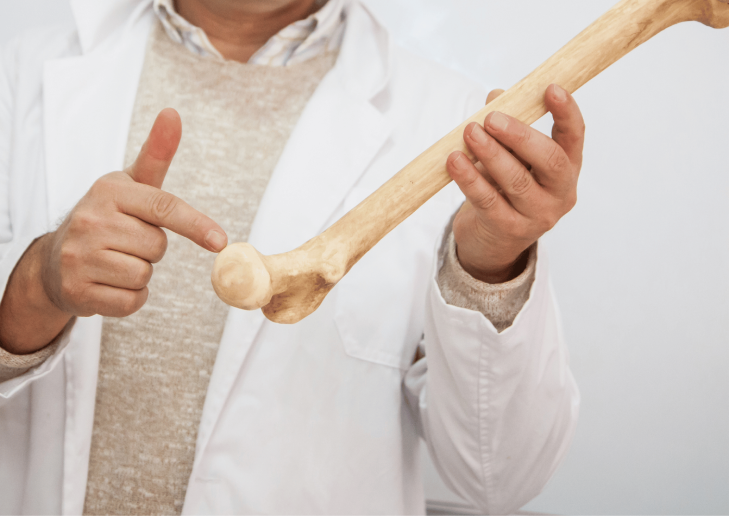
As we age, our bones naturally lose density, making us more prone to fractures and osteoporosis. But the good news? It’s never too late to build stronger bones. By adopting a few simple lifestyle habits, you can maintain bone strength, improve balance, and reduce the risk of injury well into your later years.
Here are seven easy, science-backed habits to help you protect and strengthen your bones after 50.
1. Prioritize Calcium-Rich Foods
Calcium is the foundation of strong bones. While supplements can help, it’s best to get calcium from your diet whenever possible.
Aim to include:
-
Low-fat dairy products like milk, cheese, and yogurt
-
Leafy greens such as kale, broccoli, and bok choy
-
Fortified plant-based milks or orange juice
-
Canned fish with soft bones (like sardines or salmon)
💡 Tip: Spread your calcium intake throughout the day — your body absorbs it better in smaller amounts.
2. Get Enough Vitamin D
Vitamin D helps your body absorb calcium effectively. Without it, even the most calcium-rich diet won’t do much for your bones.
-
Try to get 10–30 minutes of sunlight several times a week (depending on your skin tone and location).
-
Eat foods like egg yolks, fortified cereals, and oily fish (salmon, tuna, mackerel).
-
Consider a vitamin D supplement in the winter or if you spend little time outdoors.
3. Move Every Day — Especially with Weight-Bearing Exercises
Your bones are living tissue — they get stronger when you challenge them.
Focus on weight-bearing activities such as:
-
Walking, hiking, or dancing
-
Low-impact aerobics
-
Resistance training (using bands or light weights)
Even 30 minutes of movement most days can make a measurable difference in bone density.
4. Quit Smoking and Limit Alcohol
Smoking speeds up bone loss, while heavy drinking interferes with your body’s ability to absorb calcium and vitamin D.
If you smoke, talk to your GP about a quitting plan.
If you drink, aim for no more than 1–2 drinks per day, and take several alcohol-free days each week.
5. Keep an Eye on Protein Intake
Protein isn’t just for muscles — it helps repair bone tissue and supports bone structure.
Good sources include:
-
Fish and poultry
-
Beans and lentils
-
Greek yogurt
-
Nuts and seeds
Try to include a source of protein with every meal.
6. Strengthen Your Balance and Posture
Falls are one of the biggest causes of fractures later in life. You can reduce that risk by improving your balance and core strength.
Try:
-
Yoga or tai chi
-
Standing on one leg while brushing your teeth
-
Simple home balance exercises (heel-to-toe walking, side steps)
These small habits train your muscles and keep your joints flexible.
7. Don’t Skip Your Bone Density Check
If you’re over 50 — especially if you’re post-menopausal or have a family history of osteoporosis — ask your doctor about a DEXA scan (bone density test).
It’s quick, painless, and gives you a clear picture of your bone health so you can take early action if needed.
🧡 Final Thoughts
Strong bones are built on consistent, everyday habits.
Eat well, move often, get enough sunshine, and don’t overlook those yearly checkups. With just a few mindful changes, you can protect your mobility, independence, and confidence for decades to come.